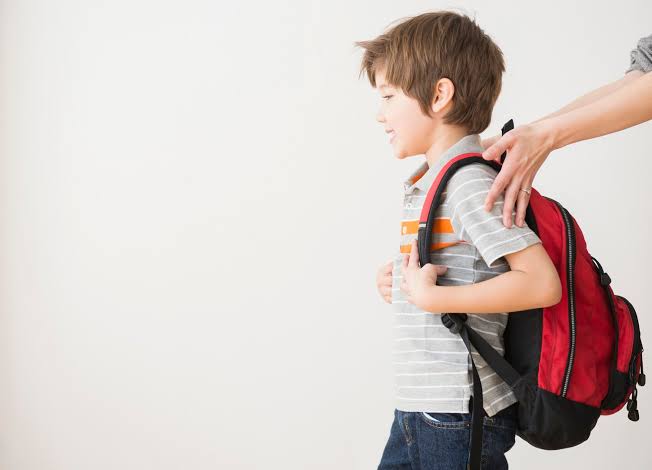
Every school morning, it is common to see children carrying backpacks that seem almost as large as they are. Packed with textbooks, notebooks, lunch boxes, water bottles, and sports gear, these bags often become much heavier than they should be. While many parents consider this a normal part of school life, carrying excessive weight every day can affect a child's growing spine and posture. Children's bones, muscles, and joints are still developing. Repeated strain from heavy backpacks may contribute to discomfort, poor posture, muscle fatigue, and, in some cases, long-term spinal issues if not addressed early.
How Heavy Is Too Heavy?
Orthopedic experts generally recommend that a school bag should not exceed 10% to 15% of a child's body weight.
Guideline Example: A child weighing 30 kg should ideally carry a bag weighing no more than 3 to 4.5 kg.
Unfortunately, many school bags exceed this recommendation, especially in higher classes where students carry multiple books every day.
Warning Signs Parents Should Watch For
Children may not always complain about back pain, assuming it is a normal part of school. However, certain signs may indicate that the backpack is placing excessive stress on their body.
Pain in the back, neck, or shoulders
Red marks from shoulder straps
Leaning forward while walking
Rounded shoulders or poor posture
Difficulty lifting or carrying the bag
Muscle fatigue after school
Persistent discomfort should never be ignored.
How Heavy Bags Affect the Spine
A heavy backpack shifts the body's centre of gravity backwards. To compensate, children often lean forward or arch their backs. Over time, this altered posture can place unnecessary stress on the neck, shoulders, spine, and surrounding muscles.
- Muscle strain
- Neck pain
- Shoulder discomfort
- Poor posture
- Increased fatigue
- Reduced participation in physical activities due to pain
Although heavy school bags do not usually cause permanent spinal deformities on their own, they can aggravate existing posture problems and lead to chronic discomfort.
Choosing the Right School Bag
A good-quality backpack can significantly reduce strain. Look for features such as:
- Wide, padded shoulder straps
- Adjustable straps
- Padded back support
- Multiple compartments for even weight distribution
- Lightweight material
- Waist or chest straps for older children carrying heavier loads
Children should always use both shoulder straps instead of carrying the bag on one shoulder.
Practical Tips for Parents
Simple habits can make a big difference.
- Remove unnecessary books every evening.
- Encourage schools to provide lockers where possible.
- Place heavier books closest to the child's back.
- Adjust shoulder straps so the bag rests above the waist.
- Teach children to bend their knees while lifting the backpack.
- Encourage regular physical activity to strengthen back and core muscles.
When Should You Consult an Orthopedic Specialist?
Occasional tiredness after carrying a backpack is common, but recurring pain is not. If your child complains of back or neck pain for several weeks, develops poor posture, or experiences numbness, weakness, or difficulty performing daily activities, an orthopedic evaluation is advisable. Early assessment can identify underlying issues before they become more serious. For expert evaluation and treatment of spine, bone, and joint conditions in children and adults, consult Dr. Laxmikant Debata, the best Orthopedic Surgeon in Bhubaneswar. With a patient-focused approach and years of orthopedic expertise, Dr. Debata helps diagnose posture-related problems early and provides practical, effective solutions to keep growing children healthy, active, and pain-free.
Book ConsultationOther Articles

Need Expert Advice?
Consult Dr. Laxmikanta Debata for personalized musculoskeletal care.
Call Now: 95569 15955