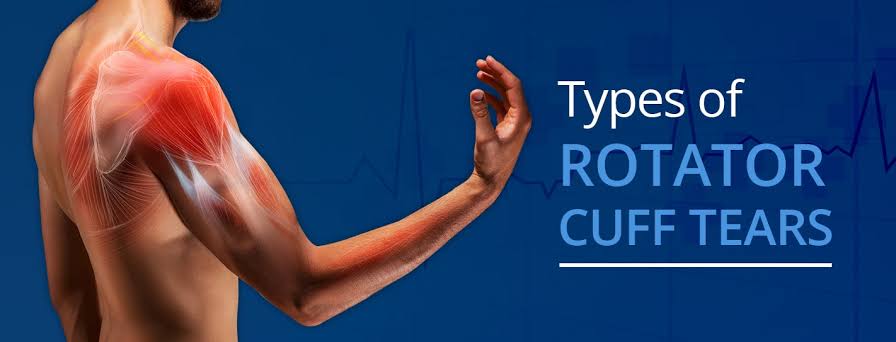
Shoulder pain is one of those problems that many people tend to ignore. It often starts as a mild ache after lifting something heavy, playing sports, or even sleeping in an awkward position. Most assume that a few days of rest and some painkillers will solve the issue. While this is true for minor muscle strains, persistent shoulder pain can sometimes indicate a rotator cuff tear—a condition that requires proper medical attention. The rotator cuff is a group of four muscles and their tendons that surround the shoulder joint. Together, they keep the shoulder stable while allowing you to lift, rotate, and move your arm freely. When one or more of these tendons are torn, even simple daily activities can become difficult.
What Causes a Rotator Cuff Tear?
Rotator cuff tears can occur suddenly due to an injury or develop gradually over time.
- Falling on an outstretched hand
- Lifting heavy objects incorrectly
- Repetitive overhead movements during sports or work
- Age-related wear and tear
- Degeneration of the tendons due to reduced blood supply
People above the age of 40 are more likely to develop degenerative tears, while athletes, painters, carpenters, and construction workers are also at higher risk because of repetitive shoulder movements.
Signs You Shouldn't Ignore
Not every shoulder pain is a rotator cuff tear, but certain symptoms deserve attention.
If these symptoms continue for several weeks despite rest, it is important to consult an orthopedic specialist.
How Is It Diagnosed?
A detailed physical examination helps identify the affected tendons and assess shoulder strength. Your doctor may also recommend imaging tests such as X-rays, ultrasound, or MRI scans to confirm the diagnosis and determine the severity of the tear. Early diagnosis often makes treatment simpler and helps prevent further damage.
Treatment Options
The right treatment depends on the size of the tear, your age, activity level, and overall health.
Non-Surgical Treatment
Many partial tears improve with conservative management, including:
- Adequate rest
- Ice therapy
- Anti-inflammatory medications
- Physiotherapy
- Shoulder strengthening exercises
- Corticosteroid injections in selected cases
The goal is to reduce pain, restore movement, and strengthen the surrounding muscles.
Surgical Treatment
Large tears, complete tendon ruptures, or injuries that do not improve with conservative treatment may require surgery. Modern arthroscopic shoulder surgery uses small incisions and specialised instruments to repair torn tendons with less pain and faster recovery compared to traditional open surgery. Rehabilitation after surgery plays a vital role in regaining shoulder strength and function.
Can Rotator Cuff Tears Be Prevented?
Although not every injury can be avoided, certain habits reduce the risk:
- Warm up before exercising
- Strengthen shoulder muscles regularly
- Avoid repetitive overhead activities without breaks
- Lift heavy objects using proper technique
- Maintain good posture
- Seek treatment early for recurring shoulder pain
Ignoring shoulder discomfort can allow a small tear to become much larger and more difficult to treat.
When Should You See an Orthopaedic Surgeon?
If shoulder pain lasts longer than two weeks, affects your sleep, or limits everyday activities, it is time for a professional evaluation. Delaying treatment may lead to worsening tendon damage and long-term stiffness. For accurate diagnosis and advanced treatment of shoulder conditions, consult Dr. Laxmikant Debata, the best Orthopaedic Surgeon in Bhubaneswar. With extensive experience in managing sports injuries, rotator cuff tears, and complex shoulder disorders, Dr. Debata focuses on restoring pain-free movement and helping patients return to their normal lifestyle as quickly as possible.
Book ConsultationOther Articles

Need Expert Advice?
Consult Dr. Laxmikanta Debata for personalized musculoskeletal care.
Call Now: 95569 15955